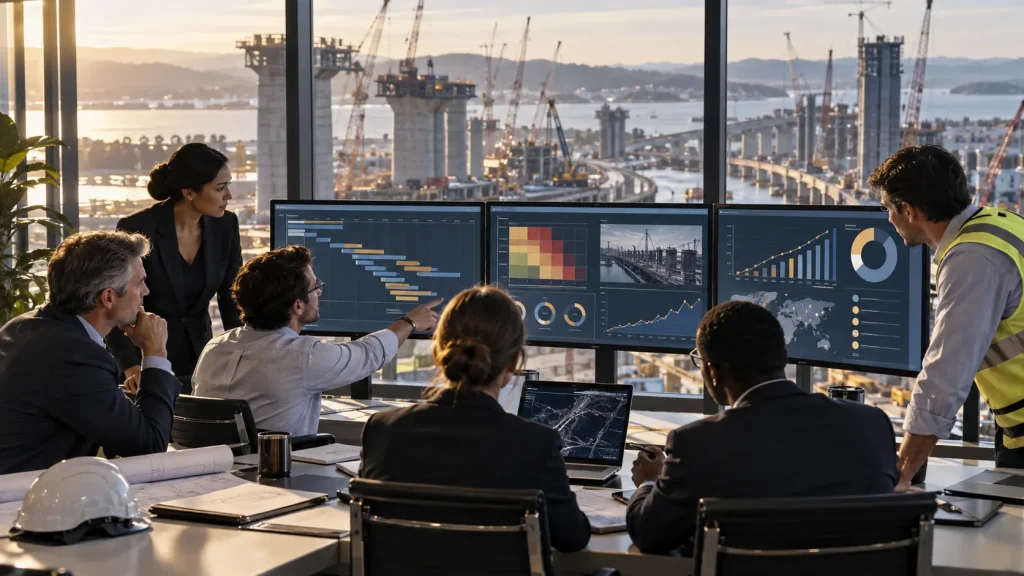
Organizations operate in an environment characterized by technological change, geopolitical uncertainty, economic disruption, evolving customer expectations and rapidly changing business models.
Traditional strategic planning often assumes that the future can be projected from the past.
Strategic foresight takes a different approach.
The Future Is Not a Single Scenario
There is rarely one inevitable future.
Organizations may face several possible futures depending on technological, economic, regulatory, environmental and social developments.
Strategic foresight helps leaders explore these possibilities before they become realities.
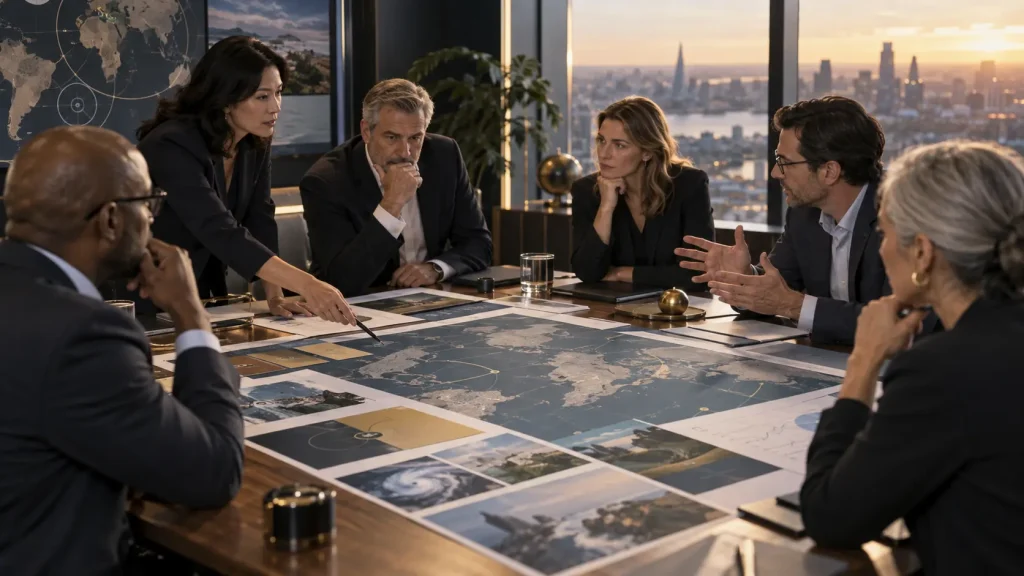
Scenario Planning
Scenario planning can help organizations examine questions such as:
- What if market conditions change significantly?
- What if a major technology disrupts our industry?
- What if supply chains become constrained?
- What if regulations change?
- What if customer expectations shift?
- What capabilities will we need five years from now?
The objective is not to predict the future perfectly.
It is to prepare the organization for multiple possible futures.
From Foresight to Resilience
Foresight becomes particularly powerful when connected to organizational resilience.
Organizations that understand potential disruption can begin developing:
- Alternative strategies
- Contingency plans
- New capabilities
- Flexible operating models
- Leadership readiness
- Technology strategies
- Risk responses
The Alpha X Perspective
Strategic foresight is increasingly relevant to executives, government leaders, infrastructure organizations, energy companies, technology organizations and other institutions operating in complex environments.
The organizations that prepare for uncertainty today may be significantly better positioned to respond tomorrow.
The goal of strategic foresight is not to predict the future.
It is to become better prepared for it.